 Your cart is empty





 Free Home Delivery from €75
 100% Natural & Effective
 Animal Superfoods
 Raw & Freeze-Dried Supplements

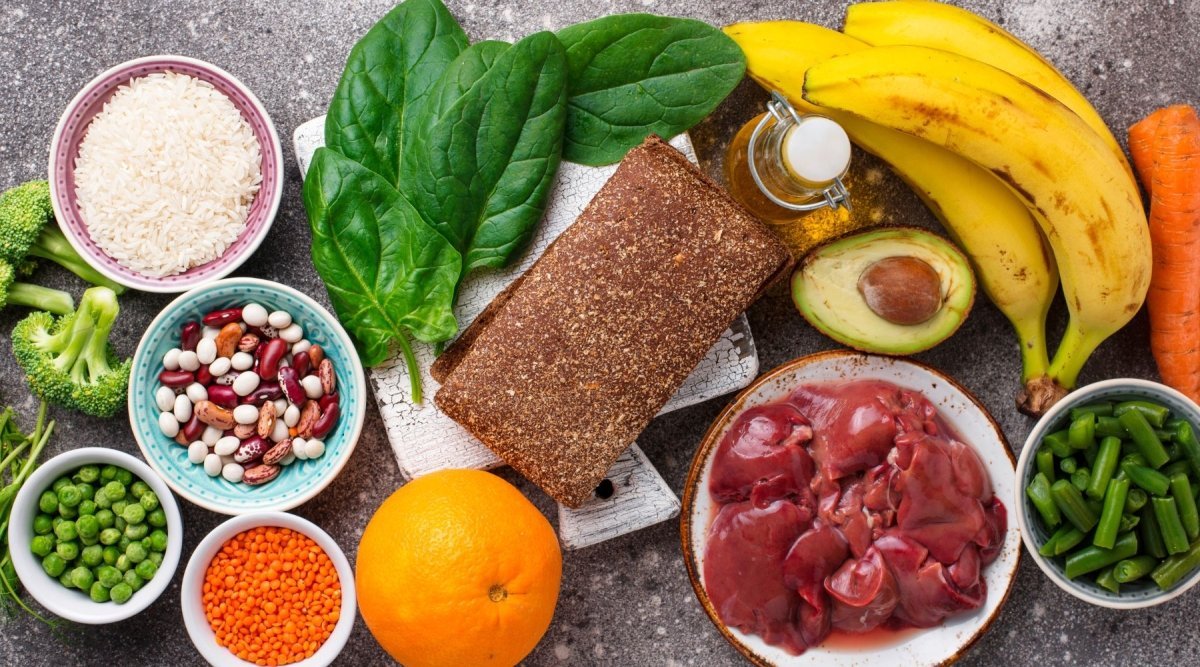
Retinol vs. Beta-carotene: The Crucial Difference
Besides emphasizing the value of vitamin A from natural food sources, it is essential to understand the distinction between retinol and beta-carotene. Both forms of vitamin A have unique properties and impact on the body.
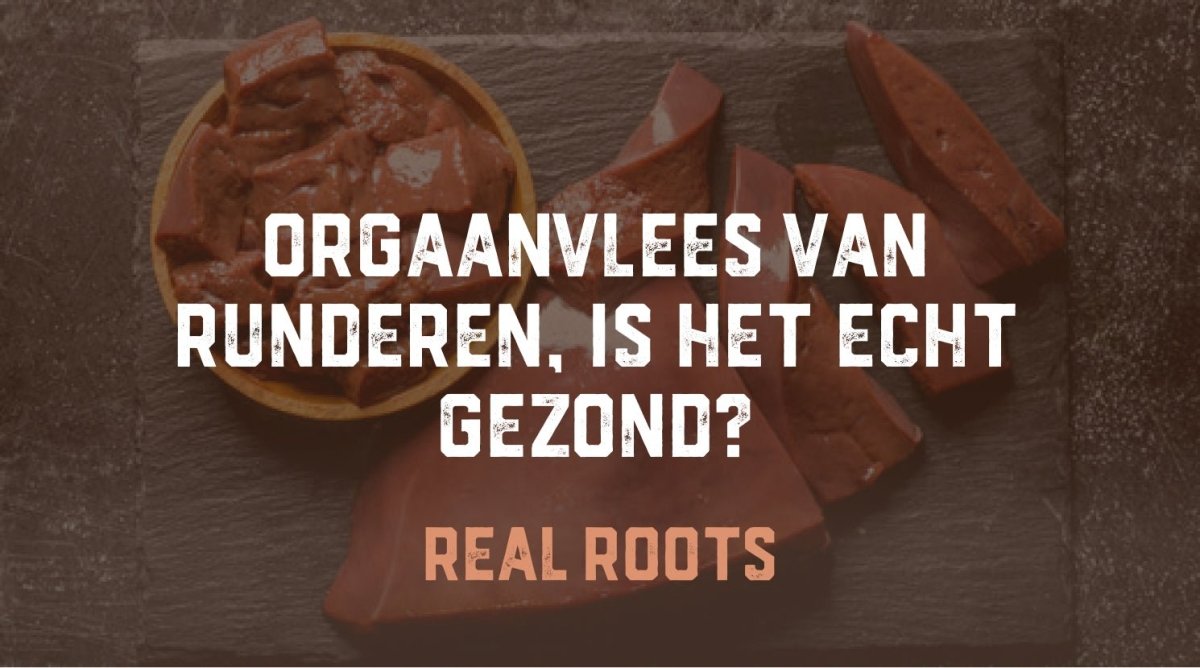
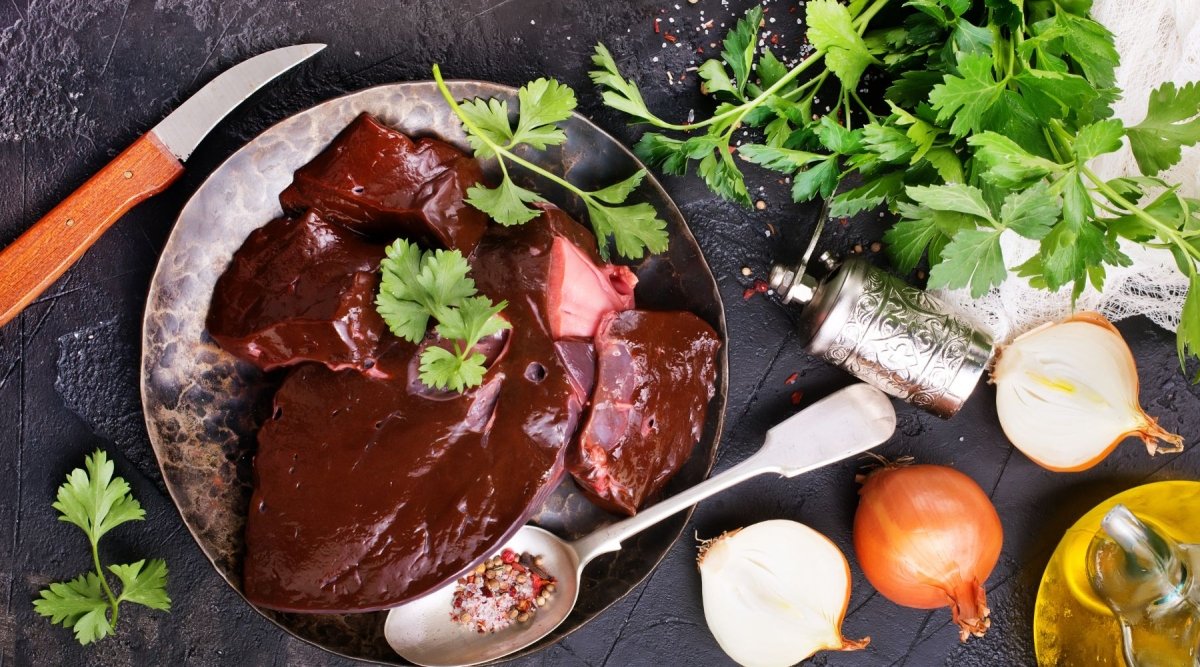
- Retinol: Retinol is the active form of vitamin A that can be used directly by the body. It is mainly found in animal products, such as liver and other organ meats. These sources of retinol are often considered superior because the body can absorb and use them more easily compared to beta-carotene. Retinol is directly involved in various biological functions, including vision, immune response, and cell differentiation.
- Beta-carotene: Beta-carotene is a precursor of vitamin A and is found in many plant foods, such as carrots, sweet potatoes, and leafy greens. However, the body must first convert beta-carotene into retinol before it can use it. This conversion is not always efficient and can be influenced by various factors, including individual health status and the presence of certain nutrients.
Want to know more about why vitamin A (retinol) is so important? Then read this blog!
Why Retinol from Liver and Organ Meat?
Obtaining retinol from liver, fermented cod liver oil, and other organ meats is often emphasized due to the higher biological availability. The body can use retinol directly without the conversion process required for beta-carotene. Additionally, liver and organ meats contain other nutrients, such as zinc, which can further support the absorption and effectiveness of vitamin A.
Zinc: A Key Factor
The importance of zinc should not be overlooked when discussing vitamin A. Zinc is a mineral needed for the conversion of beta-carotene to retinol. If there is a zinc deficiency, the conversion may be less efficient, which can reduce the effectiveness of beta-carotene as a vitamin A source. Liver and other organ meats not only contain retinol but also provide zinc, making them a valuable and synergistic combination. Read more in this article about why organ meat has a future.
Conclusion
Although beta-carotene from plant sources is also important, the importance of retinol from liver and other organ meats highlights the biological superiority of animal sources of vitamin A. These foods provide the body with directly usable retinol, and their nutritional profile promotes optimal absorption and utilization of this essential nutrient.
























 +31 623134673
 support@realroots.nl


