 Your cart



 Free Home Delivery from €75
 100% Natural & Effective
 Animal Superfoods
 Raw & Freeze-Dried Supplements


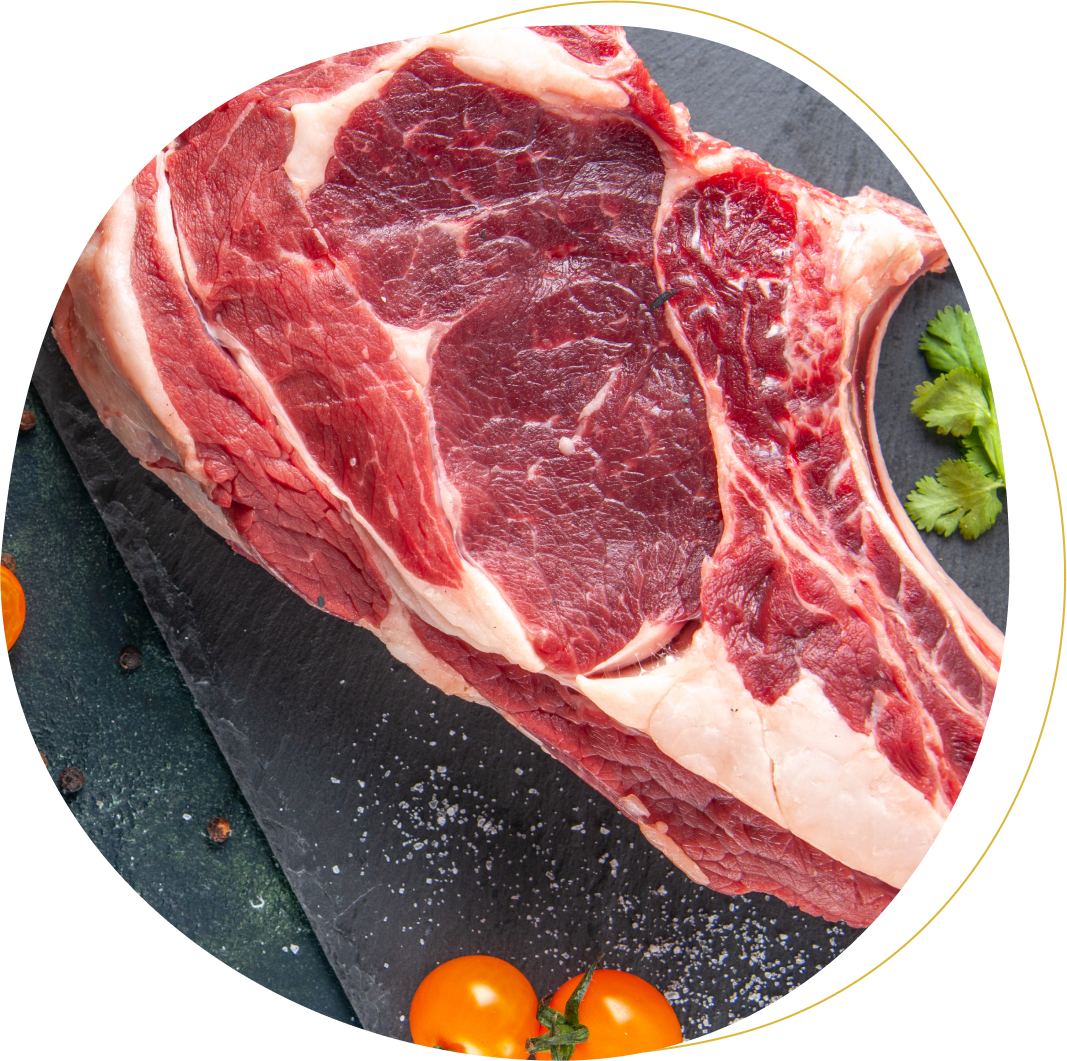
At Real Roots, we don’t just look at what an animal eats, but especially at what that means for the animal, for the food it produces, and ultimately for your body. Grass-fed beef is not a marketing term for us; it is a fundamental choice that touches on nutrition, biology, and origin.
Grass-fed: the cow as nature intended her
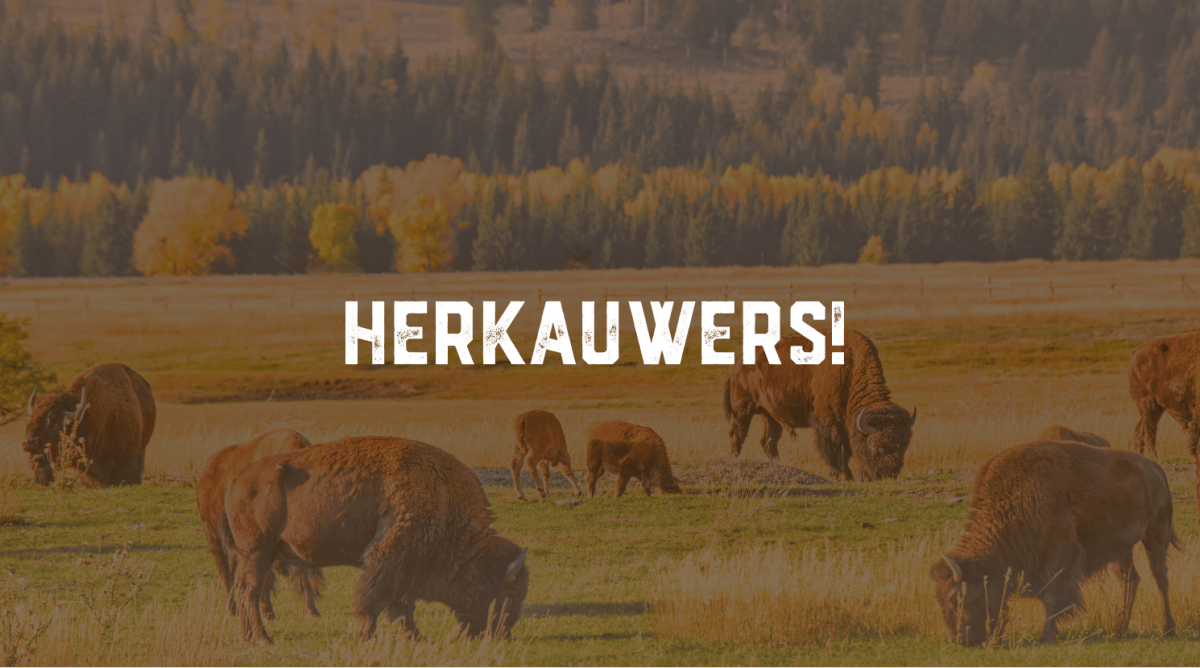
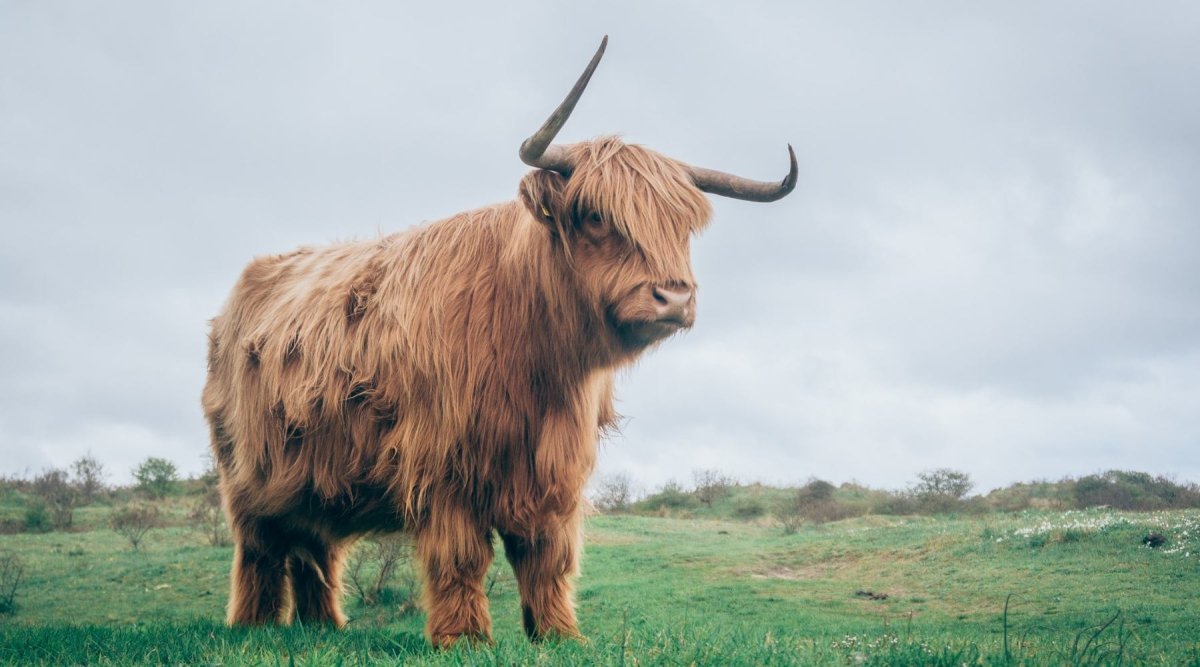
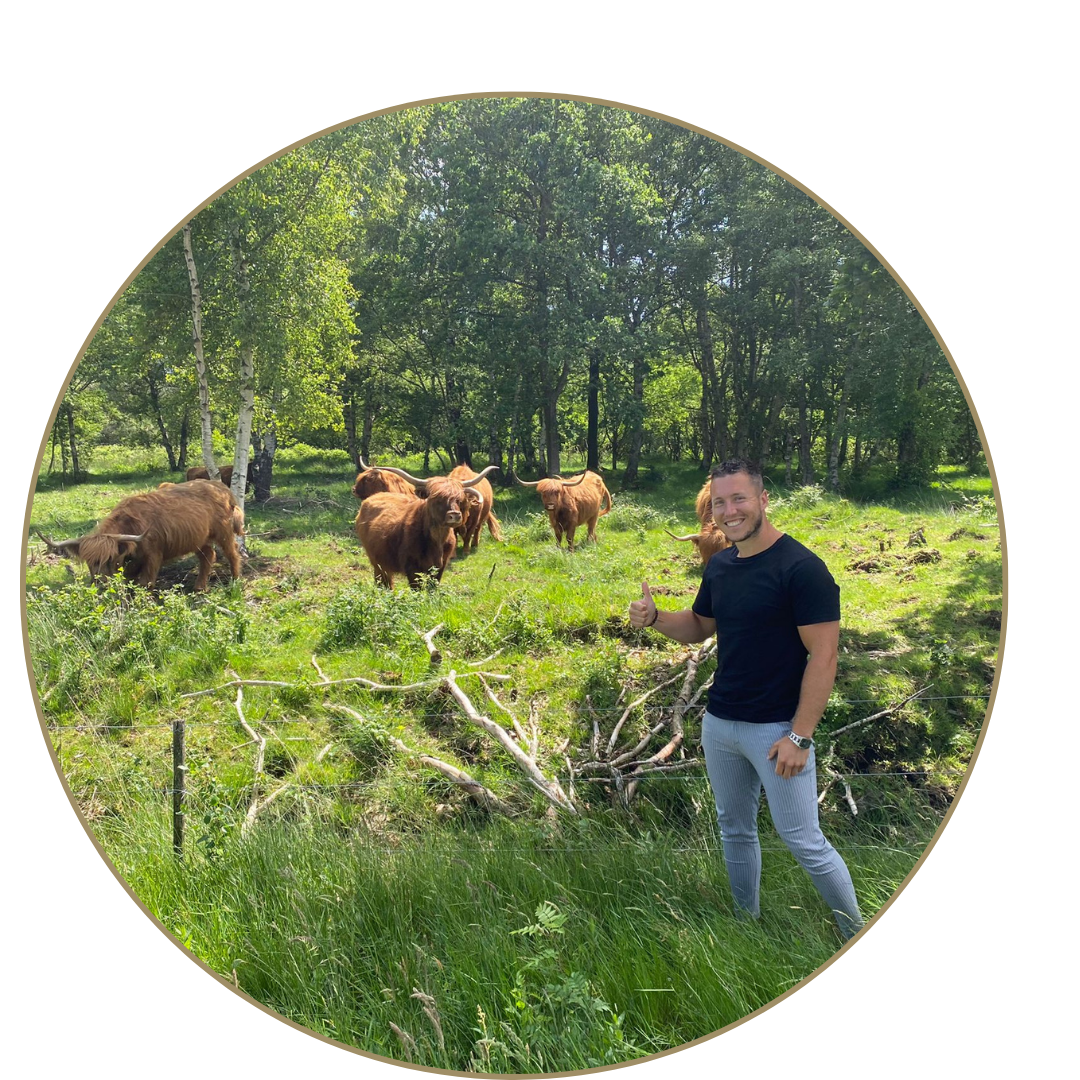
A cow is a ruminant. Her complete digestion, especially the rumen, is designed to digest fiber-rich grass and herbs. When a cow grazes year-round, this system works steadily and in balance. You can see this reflected in:
- a calm metabolism,
- less stress on the body,
- and a fat and nutrient profile that suits a healthy animal.

With stable feeding, this system is accelerated with grains and corn. That results in rapid growth and higher yield, but it is an artificial shortcut in a biological process that is not meant for that.
Fat is not just fat
The biggest difference between grass-fed and stable-fed is not in protein but in fat quality. Grass-fed animals build fat that:
- is richer in omega-3 fatty acids,
- has a favorable omega-6 : omega-3 ratio,
- and contains more CLA, a fatty acid that only forms during grass fermentation in the rumen.
This is also the reason why grass-fed fat is often yellower. That color comes from natural carotenoids from grass, not from processing or additives. For products like tallow, butter, and organ feeding, this difference is crucial. Fat here is not a side issue but the carrier of nutritional value.
More than macros: micronutrients and stability
Grass-fed meat and fat demonstrably contain more:
- vitamin A (retinol),
- vitamin E (natural antioxidant),
- vitamin K2 (MK-4),
- and other bioactive substances that you cannot “add” afterwards.
This not only ensures higher nutritional value but also better oxidation stability. Simply put: the fat remains more stable, purely because it is naturally structured that way.
Movement, muscles, and structure
A grazing cow moves. Daily. You can see that reflected in:
- more compact muscle fibers,
- a different collagen structure,
- and meat that is nutritious, not pumped up.
The result is not “super tender fast food meat,” but real food that demands attention and also gives something back to your body.
Animal welfare is not an isolated theme
Healthy nutrition, exercise, and natural behavior together form a whole. Cows that graze:
- exhibit natural social behavior,
- have fewer metabolic problems,
- and structurally require less medical intervention.
For us, animal welfare is not an emotional argument, but a biological reality: a healthy animal produces better food.
Why Real Roots consciously chooses grass-fed
We operate from one simple conviction: Nutrition begins at origin. You cannot correct what went wrong at the base. No supplement, no process, and no marketing claim can restore an unnatural origin. That is why we choose:
- grass-fed animals,
- minimal intervention,
- and products that remain close to their natural state.
Not because it is easier but because it is right.
Real Roots. Back to where nutrition begins.
Sources & substantiation why grass-fed is better than barn-fed.
The differences between grass-fed and barn-fed cattle have been extensively studied in nutrition and animal sciences. Among others, the following publications and institutes form the basis for the insights in this article:
- Daley et al. (2010) – Nutrition Journal: review study on fatty acid profiles, CLA, and antioxidants in grass-fed vs. grain-fed beef.
- Ponnampalam et al. (2018) – Meat Science: differences in vitamins A and E in different feeding systems.
- Descalzo et al. (2005) – Meat Science: oxidative stability and fat quality of grass-fed beef fat.
- National Research Council (NRC) – Ruminant Nutrition: physiological basis of ruminant feeding.
- Reports from the FAO and the European Food Safety Authority on animal welfare, feeding systems, and food quality.



















 +31 85 047 4407
 support@realroots.nl


