

A protein-rich breakfast without ultra-processed foods: how to put it together

A high-protein breakfast doesn’t have to come from a shake, bar, or ready-made pancake mix. With eggs, plain dairy, fish, meat, tofu, or legumes, you’re already well on your way. Just real food. With flavor, texture & an ingredients list you can recite.


That doesn’t mean everything that comes in packaging is bad. A tub of plain quark, frozen vegetables, and canned fish are processed too. The difference isn’t just in the packaging, but in what’s inside and what you make with it. The Netherlands Nutrition Centre also warns that the degree of processing doesn’t tell you one-to-one whether a product fits into a healthy eating pattern.


The practical approach is simple: choose one clear protein source, add some vegetables or fruit, and tailor it to your appetite with potatoes, bread, or oatmeal. Butter, olive oil, herbs, and spices make sure you’ll still feel like having the same idea tomorrow.

Start with food you recognize

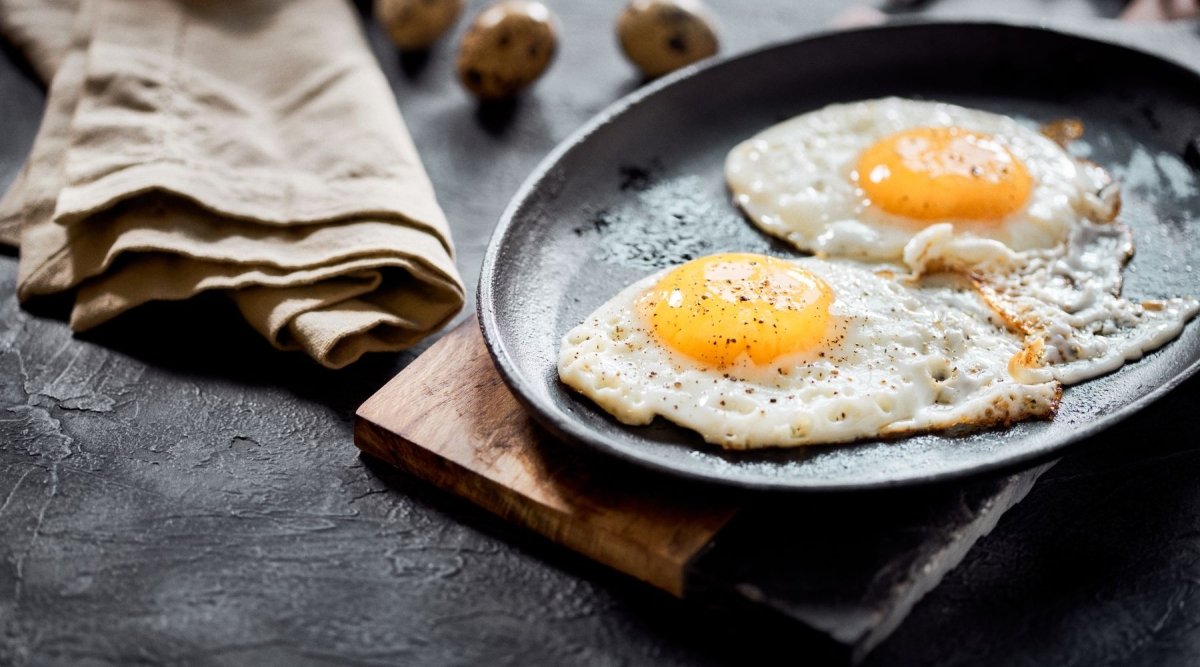
Don’t start with a number, but with the food that forms the basis of the meal. For one person, that might be three eggs. For another, a generous bowl of plain quark, a piece of fish, leftover beef, tofu or white beans with a fried egg.


Animal-based options
Eggs, plain quark or yoghurt, cottage cheese, fish, and unprocessed or simply prepared meat.


Plant-based options
Tofu, tempeh, lentils, chickpeas, white beans and an unsweetened soy base.


The front of a package doesn’t need to shout that something is ‘high protein’. Turn it over. Look at the ingredients, the amount of protein per 100 grams and, above all, the portion you actually eat. One yoghurt, type of tofu or portion of fish is not the same as another.


Proteins contribute to the growth and maintenance of muscle mass. These permitted claims apply to foods that meet the requirements for being a source of protein. For more background, visit the Netherlands Nutrition Centre and the European Food Safety Authority.

First, choose a clear protein source

A tub of quark or a couple of eggs is a start. Then look at the rest of the meal. Not because every breakfast has to be perfect, but because flavour and satiety come from more than protein alone.

  1. Choose your protein source. Eggs, plain dairy, fish, meat, tofu or legumes.
  2. Add some colour. Spinach, tomatoes, mushrooms, berries, apple or whatever is in season.
  3. Consider your day. Potatoes, sourdough bread or oatmeal can work when you feel like them or have an active morning ahead.
  4. Make it tasty. Use butter, olive oil, nuts, cinnamon, salt, pepper or other spices.

Do you exercise early? Eat before or after, depending on what feels comfortable. You don’t need to stand next to your breakfast with a stopwatch. The rest of your day and a routine you can stick to matter too.


If you’re not very hungry in the morning, start smaller. Two boiled eggs, some plain dairy or a small portion of leftovers from the night before is also breakfast. Only make it bigger if your body asks for it that morning.

This is how you turn it into a complete meal

Not pretty Sunday photos, but combinations that also work on a Tuesday.

  • Scrambled eggs with potato: eggs, fried potato, spinach and tomato.
  • Cottage cheese with fruit: plain cottage cheese, berries, walnuts and cinnamon.
  • Omelet with leftovers: eggs, mushrooms, onion and leftover minced meat or chicken.
  • White beans from the pan: beans, tomato, garlic, herbs and a fried egg.
  • Salmon with something fresh: salmon, cucumber, egg and potato or sourdough bread.
  • Tofu with vegetables: crumbled tofu, spinach, mushrooms and spices.
  • Leftover breakfast: yesterday’s vegetables and meat or fish, quickly fried with an egg.

Breakfast is the first meal of your day, not a mandatory lineup of sweet products. So cold chicken, a piece of fish or beans with tomato are perfectly fine at the table. On Real Roots, you can also read more about eggs as a real food.

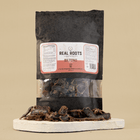
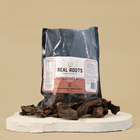
REAL ROOTS BILTONG
Pure beef. Full of flavor & ready to eat.

54 grams of protein per 100 grams.

100% grass-fed Dutch beef.

5 to 7 days slowly air-dried.

No added sugar and no E-numbers.

View Real Roots Biltong

30-day money-back guarantee

Seven breakfasts for real mornings

Biltong is not a classic Dutch breakfast. But if you prefer savory foods, a small portion can work well alongside scrambled eggs, potatoes, and vegetables. Real Roots Biltong is made from beef, natural vinegar, sea salt, and spices. The meat is air-dried for five to seven days at approximately 25 °C.


According to the current label, the biltong contains 54 grams of protein per 100 grams. Based on that, a 30-gram serving provides approximately 16 grams of protein. Consider it an addition, not a complete meal. Vegetables, eggs, potatoes, or bread ensure that there is actually something substantial on your plate.


Drying concentrates the protein and salt. A small portion therefore makes more sense than mindlessly eating half a bag. Store the opened package in the refrigerator and, according to the product information, use it within three days.

What do you put together?

Choose a base on the left and finish it on the right. Feel free to switch things up.

Start with thisFinish with
EggsVegetables, potato, and herbs
Plain quark or yogurtFruit, nuts, and cinnamon
FishEgg, cucumber, and bread or potato
Tofu or beansTomato, mushrooms, and spices
Leftover meatVegetables and a fried egg
BiltongScrambled eggs, vegetables, and something you feel like

This is not a daily meal plan. Portions vary by person, product, and morning. Use your own appetite, the label, and the rest of your day.

View Real Roots Biltong

Prepare properly without a Sunday afternoon project

Twenty minutes of preparation

Boil a few eggs and potatoes. Wash some vegetables. Set out a bowl of plain dairy, fruit, and nuts. If you like, fry minced meat with mushrooms or make white beans with tomato for two days. This gives you several breakfasts without having to start from scratch every morning.


Keep wet and crunchy components separate. Add the nuts to the quark just before eating. Warm the vegetables and potato in the pan while the egg cooks. That way, breakfast stays enjoyable rather than merely efficient.


Read the label without studying

First compare plain products with flavoured ones. Then look at the ingredients, the protein per 100 grams, and your portion. A short ingredient list is nice, but it is not a sacred rule. Salting, fermentation, freezing, and canning are all forms of processing.


The most useful distinction is often practical: are you buying a recognisable ingredient with which to make a meal, or a ready-made breakfast built mainly around flavour, sweetness, and convenience? If you would like to read more about this, see the Voedingscentrum’s explanation of processed food.


Three mornings, written out

Early workday: two or three boiled eggs, tomato, and a piece of fruit. Add potato or bread if you are hungrier.


Relaxed morning: scrambled eggs with spinach, potato, and optionally a small portion of biltong. Cook everything in one pan and season it yourself.


Meat-free breakfast: white beans with tomato and mushrooms, topped with a fried egg. For a fully plant-based version, use tofu instead of egg.


Sources & further reading

wwk_logo_sm-64x64 Created with Sketch.

54 grams of protein per 100 grams • according to the current biltong label

Biltong for a savory morning

Discover more protein-rich foods

Beef, natural vinegar, sea salt & spices

150 grams per package • approximately 3 to 5 servings

Refrigerate after opening and use within 3 days

Product information checked on August 4, 2026

Frequently asked questions about a protein-rich breakfast without ultra-processed foods

The main questions answered briefly and clearly.

How can I make my breakfast high in protein without protein powder?

First, choose a clear protein source, such as eggs, plain dairy products, fish, meat, tofu, or legumes. Then build the meal around vegetables, fruit, potatoes, bread, or oatmeal, depending on your appetite.

Is everything from a package ultra-processed?

No. Plain yogurt, frozen vegetables, jarred legumes, and canned fish are also packaged and processed. Look at the product, the ingredients, and the role it plays in your meal.

How much protein should my breakfast contain?

There is no universal breakfast number. Your needs depend, among other things, on your body weight, stage of life, physical activity, and the rest of your day. Look at your overall pattern and seek personalized advice when needed.

Can I just eat leftovers in the morning?

Yes. Leftover vegetables, potatoes, meat, fish, or legumes are perfectly suitable breakfast foods. Just make sure to store and reheat them safely.

Does biltong go well with a protein-rich breakfast?

That works as part of a savory breakfast. Have a small portion alongside, for example, eggs, vegetables, and potatoes. Biltong is concentrated and salted, so consider it an addition rather than a complete meal.
