
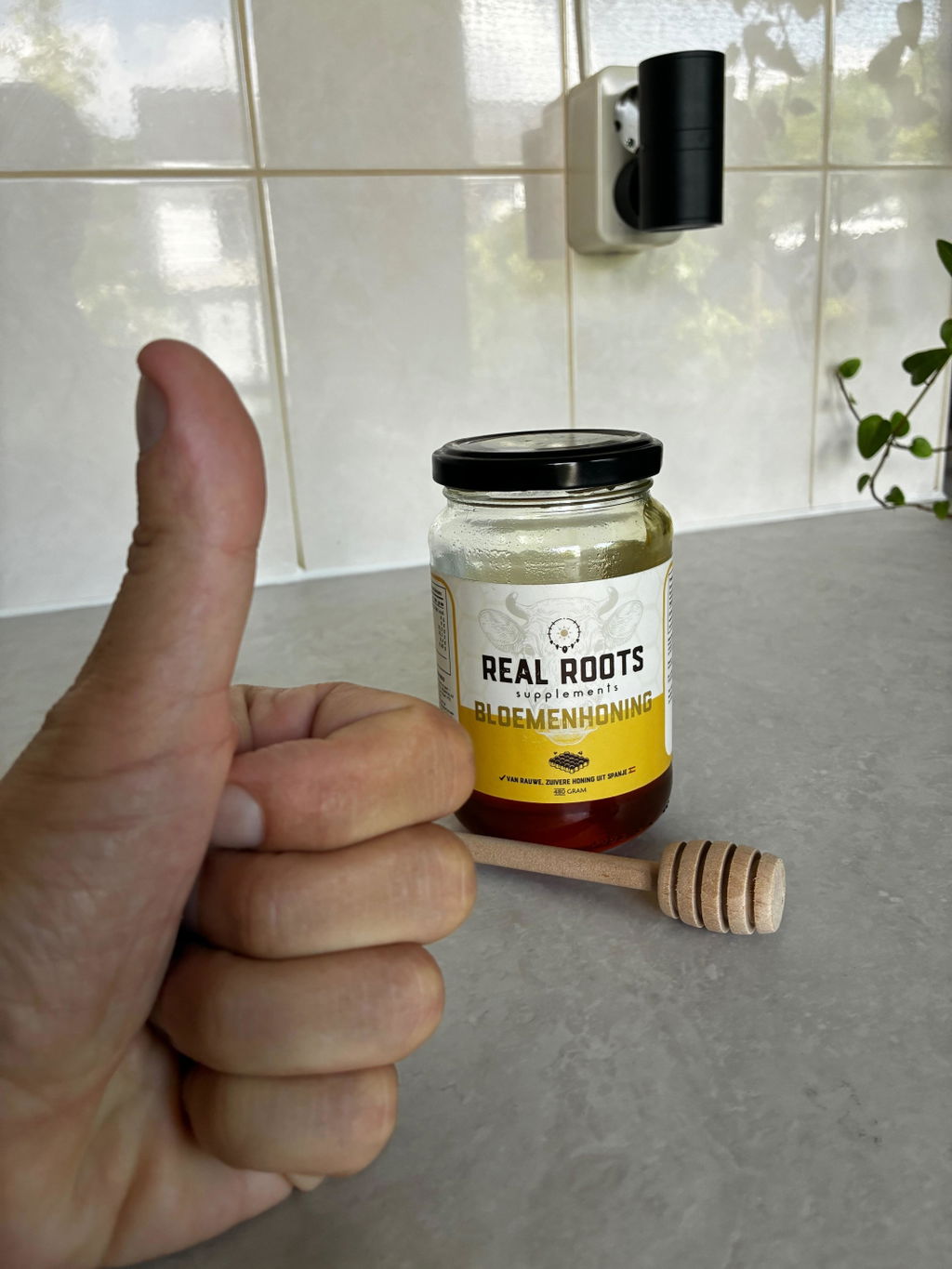
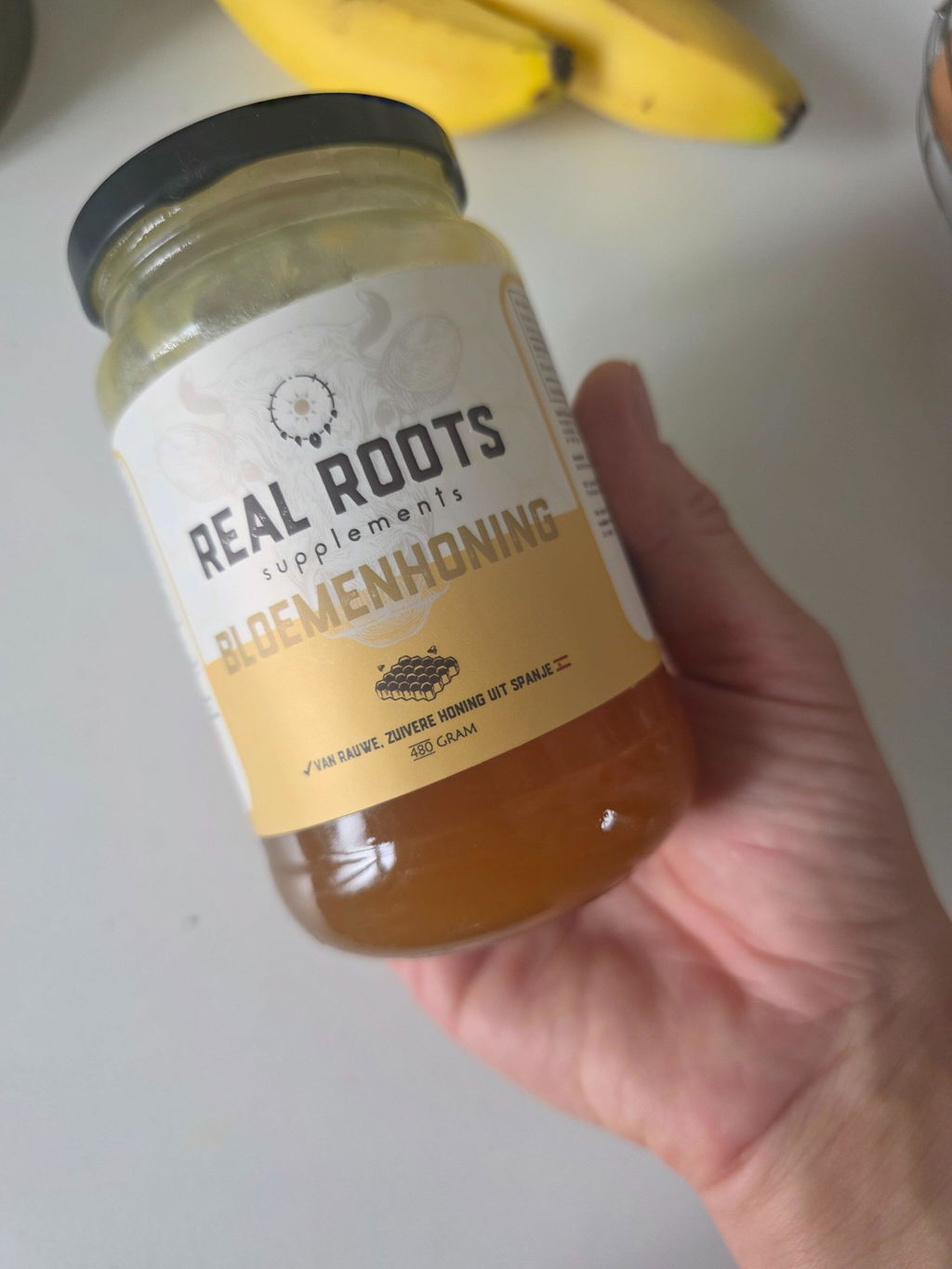
Why does honey crystallize? And what can you do about it?

Honey crystallizes when some of the natural glucose in the liquid forms solid crystals. The honey then becomes cloudy, creamy, grainy or eventually solid. This is normal and does not mean that the honey has spoiled.


How quickly this happens varies depending on the type of flower, composition and storage temperature. Raw, coarsely strained honey may crystallize sooner because pollen and small natural particles serve as starting points for crystals. The FAO describes crystallization as a natural characteristic of honey.

Crystallization is a natural process

Honey mainly consists of fructose and glucose dissolved in a limited amount of water. It contains more sugar than the water can permanently hold. Glucose is less soluble than fructose and can therefore come out of the solution.


The first small glucose crystals attract more glucose. As a result, part of the honey gradually becomes firmer. Some varieties crystallize within weeks, while others remain liquid for months or longer.


The ratio of glucose to fructose is important. Honey with a relatively high glucose content generally crystallizes faster.

This is how the crystals form

Four factors together determine how quickly a jar changes.

  1. Sugar composition: more glucose relative to fructose speeds up the process.
  2. Temperature: a cool room temperature can stimulate crystal formation.
  3. Pollen and particles: small natural particles give crystals a place to begin forming.
  4. Time and storage: the longer the honey sits, the greater the chance of visible crystals.

That is why minimally processed honey can undergo a noticeable change in texture. However, crystallization alone does not prove that honey is raw or authentic.

Glucose, temperature & small particles

Crystallized honey is simply honey with a different texture. Fine crystals create a soft, creamy texture. Coarser crystals feel grainier. The flavor generally remains recognizable.


You can use crystallized honey directly:

  • as spreadable honey on bread;
  • in yogurt or oatmeal;
  • in a dressing or marinade;
  • in hot dishes, where the crystals dissolve naturally.

However, watch for signs that are not associated with normal crystallization. A sour or alcohol-like smell, foam, or gas formation may indicate fermentation.

Crystals are normal
The honey has not gone bad

Crystallization is natural and not a sign of spoilage.

Glucose forms crystals that make the structure firmer.

Raw honey can change more quickly due to pollen and small particles.

Gently heating makes the honey liquid again.

View the raw flower honey

30-day money-back guarantee

Can you still eat crystallized honey?

Want to make the honey liquid again? Place the tightly sealed jar in a bowl of warm water. Heat it slowly and stir occasionally. Do not use boiling water.


A temperature of no more than around 40 °C is a cautious practical limit for melting crystals without heating the honey unnecessarily intensely. A UK government laboratory protocol likewise uses gentle heating up to 40 °C. View the protocol.


Avoid using the microwave. It can make parts of the honey much hotter than you realize. Instead, warm it in short, gentle intervals and stop as soon as the desired consistency returns.

Make honey liquid again

Here’s how to do it safely and easily.

Do thisBest avoided
Putting the jar in warm waterUsing boiling water
Heating slowly and evenlyUsing full power in the microwave
Stirring gently from time to timeHeating for unnecessarily long
Only liquefying what you needReheating the entire jar repeatedly
Storing the jar dry and closed afterwardLetting water get into the honey

Penn State Extension also advises placing an open honey container in hot but not boiling water until the crystals disappear. Read the practical explanation.

DISCOVER OUR NATURAL HONEY

What customers say about the flower honey

5 stars

“The flavor is pleasantly mild and natural, without being too sweet. You can simply taste that it’s real honey.”

Gerhard K. • July 17, 2026

Verified buyer via Judge.me

5 stars

“Deliciously fresh and sweet honey. I highly recommend it.”

Joffrey V. R. • June 24, 2026

Verified buyer via Judge.me

5 stars

“Purely natural and delicious”

Franklin • May 28, 2026

Verified buyer via Judge.me

5 stars

“Delicious honey! Use it every day.”

Claudia • June 10, 2026

Verified buyer via Judge.me

View the blossom honey

Slowing crystallization and storing honey

Hassle-free storage

Store honey tightly sealed, in a dry place and out of direct sunlight. Room temperature is usually the most practical. In the refrigerator, honey often crystallizes faster and becomes harder to scoop.


Water is more important than many people think. Use a clean, dry spoon and close the jar after use. Extra moisture can affect shelf life and stability.


Sources & further reading

wwk_logo_sm-64x64 Created with Sketch.

5.00/5 from 29 reviews • verified on July 30, 2026

Creamed honey is also delicious.

Taste pure blossom honey

Raw flower honey from Spain • 480 grams

The displayed quotes are reproduced verbatim from the linked Judge.me review overview on the Real Roots product page.

Source: verified Judge.me reviews on Real Roots

Verified buyer via Judge.me

Frequently asked questions: Why does honey crystallize, and what can you do about it?

The main questions answered briefly and clearly.

Is crystallized honey still good?

Yes. Crystallization is a normal physical process. The honey is usually perfectly fine to use as long as there are no signs of fermentation.

Why does some honey crystallize faster than other honey?

This mainly depends on the ratio of glucose to fructose, the amount of small particles, the temperature, and the storage time.

How do you liquefy honey again?

Place the jar in warm, not boiling, water and heat it gently. Stir occasionally and stop when the desired consistency has returned.

Can you heat honey in the microwave?

It is technically possible, but it is not the best method. The microwave heats unevenly and can cause very high temperatures in some areas. It is better to warm it in a bain-marie.

Can you prevent honey from crystallizing?

Not completely. You can slow down the process by storing the honey sealed, dry, and at a stable room temperature.
