
Raw honey versus regular honey: differences in processing and taste

Raw honey is honey that is processed as little as possible after extraction. It is not pasteurized and is usually only coarsely strained. This helps preserve its natural variations in flavor, pollen, and small particles.


Regular honey may be heated more extensively and filtered more finely to keep it liquid and uniform for longer. The term raw is not a separate protected product category under European honey regulations. Therefore, don’t look only at the word on the label, but especially at the processing described. See also the European rules on honey labeling.

What is meant by raw honey?

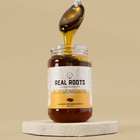
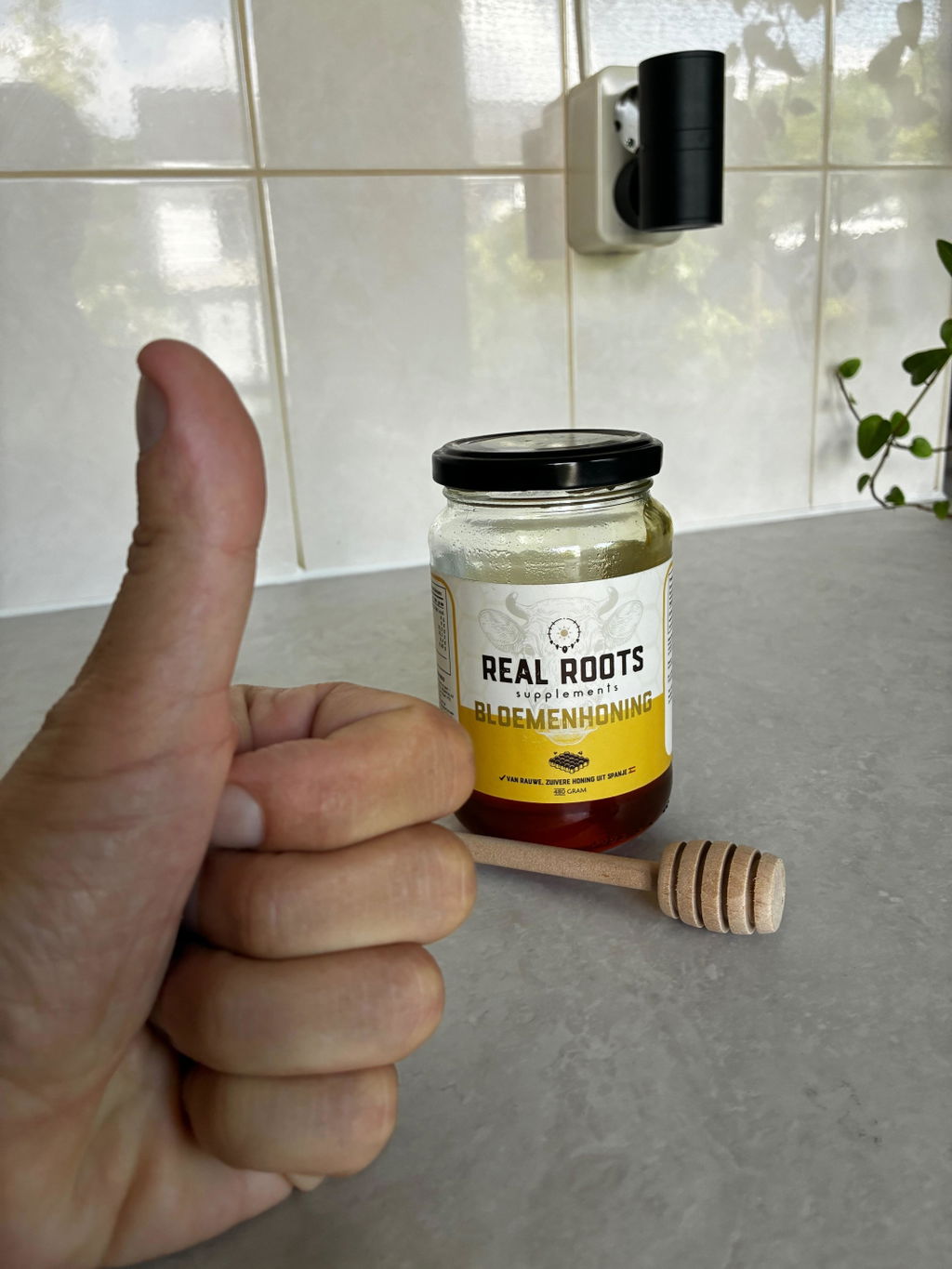
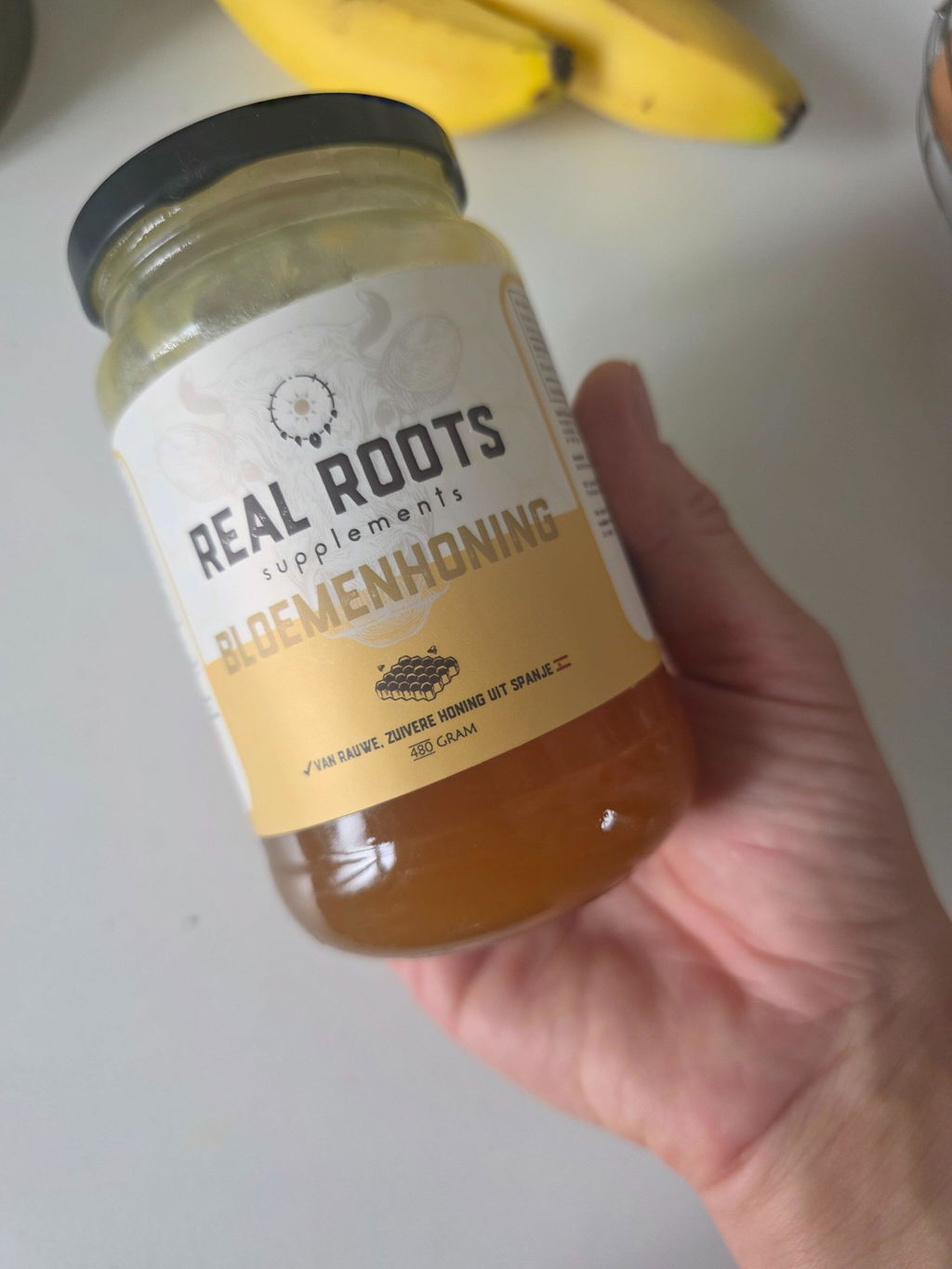
By raw honey, producers usually mean honey that has not been pasteurized or industrially finely filtered. Real Roots Flower Honey is only strained by gravity and not heated. The honey comes from local beekeepers in Spain and is sourced from a variety of wildflowers.


Honey naturally consists mainly of sugars, along with water and small amounts of other components. So raw does not mean sugar-free. It describes the processing after harvesting.


The European Honey Directive stipulates, among other things, that honey must not contain additives and must not be heated in a way that significantly inactivates natural enzymes. Read the European Honey Directive.

From beehive to jar

The journey from hive to jar consists of a few clear steps.

  1. Collection: bees collect nectar from flowers in their surroundings.
  2. Ripening: in the honeycomb, the nectar is concentrated into honey.
  3. Extraction: the beekeeper removes the honey from the combs.
  4. Straining: wax particles are removed. With raw honey, this is usually done coarsely and without significant heating.
  5. Filling: the honey is poured into the jar.

With conventional honey, additional heating can make filling easier and dissolve crystals. Very fine filtration makes the product clearer and removes more pollen and particles.

Minimally processed, pure in flavor

Minimal processing preserves more of the harvest’s character. Color, aroma, consistency, and flavor may vary by season or location. This is not a product defect, but a natural feature of the product.


What you can expect:

  • a flavor that depends on the floral source;
  • a consistency that may be liquid, creamy, or crystallized;
  • small natural variations between jars;
  • no added sugar or flavorings.

Crystallization can also occur in raw honey and, in itself, says nothing negative about its quality.

480-gram Spanish blossom honey
Unheated and coarsely filtered

Raw flower honey from local beekeepers in Spain.

Unpasteurized and strained only by gravity.

Soft and refreshingly sweet with natural variation from one harvest to the next.

480 grams pure honey without additives.

View the raw flower honey

30-day money-back guarantee

What does raw honey taste like?

Raw wildflower honey has a layered flavor and can feature floral, fruity, or spicy notes. Real Roots Wildflower Honey is smooth and refreshingly sweet. Because the nectar comes from multiple wildflowers, its flavor is broader than that of honey made from a single specific flower.


Regular honey often has a more predictable and neutral flavor. Processing, blending different batches, and origin all influence its taste.


Use wildflower honey in yogurt, over fruit, on bread, or in a dressing. If you add the honey to a hot drink, let it cool slightly first if you want to avoid heating the honey unnecessarily.

Raw honey versus regular honey

The differences are mainly practical and sensory. The exact processing varies by brand.

Raw honeyRegular honey
Not pasteurized and minimally heatedMay be heated more strongly during processing
Usually coarsely strainedMay be very finely filtered
More natural variation in color and tasteOften more uniform and predictable
May crystallize more easilySometimes processed to remain liquid for longer
Read the processing information on the labelRead the origin and ingredients on the label

Which honey you choose depends mainly on taste, origin, and how much processing you prefer. The international Codex standard describes the basic quality requirements honey must meet. View the Codex Standard for Honey.

Discover the origin

What customers say about the flower honey

5 stars

“Deliciously fresh and sweet honey. I highly recommend it. The price is also great compared to others.”

Joffrey V. R. • June 24, 2026

Verified buyer via Judge.me

5 stars

“Delicious honey! I use it every day. I also vary how I use it. It’s delicious in smoothies, tea, on its own, in yogurt, over fruit...”

Claudia • June 10, 2026

Verified buyer via Judge.me

5 stars

“Purely natural and delicious”

Franklin • May 28, 2026

Verified buyer via Judge.me

5 stars

“The flavor is pleasantly mild and natural, without being too sweet.”

Gerhard K. • July 17, 2026

Verified buyer via Judge.me

View the blossom honey

What do you look for when buying?

How to recognize clear product information

Look for specific terms such as unheated, unpasteurized, coarsely filtered, and origin stated. A vague term like natural tells you less than a transparent description of the beekeeper, country, and processing.


Please note: honey is not suitable for children under one year old. Store the sealed jar at room temperature, in a dry place, away from direct sunlight.


Sources & further reading

wwk_logo_sm-64x64 Created with Sketch.

5.00/5 from 29 reviews • verified on July 30, 2026

Pure floral honey for every day

Taste pure blossom honey

Raw flower honey from Spain • 480 grams

The displayed quotes are reproduced verbatim from the linked Judge.me review overview on the Real Roots product page.

Source: verified Judge.me reviews on Real Roots

Verified buyer via Judge.me

Frequently asked questions about raw honey versus regular honey

The main questions answered briefly and clearly.

Is raw honey the same as organic honey?

No. Raw mainly describes post-harvest processing. Organic refers to certified production standards. Honey can be raw without an organic certification.

Is raw honey always liquid?

No. Raw honey can be liquid, creamy, or crystallized. Its texture depends, among other things, on its sugar composition, temperature, and storage time.

Is raw honey healthier than regular honey?

Raw honey is less processed, but it remains a product consisting mainly of sugars. Choose honey based on its flavor, origin, and processing, and use an appropriate portion.

Do you like raw honey in warm tea?

That’s fine. If you want to avoid high temperatures, let the tea cool down a little before adding the honey.

How do you store raw honey?

Keep the jar tightly closed, in a dry, dark place at room temperature. Honey normally does not need to be refrigerated.
