


Celtic sea salt versus regular salt: what’s the difference?

Celtic sea salt is unrefined sea salt with a gray color, a slightly moist texture, and a full salty flavor. It is traditionally harvested in salt pans along the Atlantic coast of Brittany.


Regular table salt is drier, finer, and more highly processed. However, Celtic sea salt also consists primarily of sodium chloride. The difference therefore lies mainly in origin, processing, texture, and flavor—not in any proven health benefit. This is also the conclusion of the Voedingscentrum.

What is Celtic sea salt?

Celtic sea salt is a type of sea salt from the Guérande region of Brittany. Seawater flows through shallow clay basins, where the sun and wind cause the water to evaporate. Salt workers collect the resulting crystals using traditional tools.


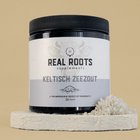
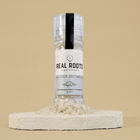
The clay bottom gives the salt its characteristic grey color. The salt is unrefined and naturally remains slightly moist. Real Roots packages the salt undried in a 500-gram jar.


The name Celtic therefore mainly refers to its traditional origin and harvesting method. It is not a separate nutrient, nor is it a salt-free substitute.

How is Celtic sea salt harvested?

The process is simple, but depends on the weather and craftsmanship.

  1. Seawater: Atlantic seawater is directed into shallow salt pans.
  2. Evaporation: the sun and wind concentrate the seawater.
  3. Harvesting: the salt crystals are collected by hand.
  4. Packaging: the grey salt is not refined or artificially dried.

Ordinary table salt is usually industrially purified, dried, and finely ground. Anti-caking agents may be added. Some types of table salt contain iodine. Always check the label for this. More information is available from the Voedingscentrum.

Gray, damp & coarse in texture

The moist grains feel different from dry table salt. They are somewhat coarser, lightly cling together, and create little bursts of flavour during cooking or at the table.


Characteristics of Celtic sea salt:

  • grey in colour due to contact with the clay seabed;
  • slightly moist, coarse crystals;
  • unrefined and not artificially dried;
  • small amounts of naturally occurring minerals.

According to the Netherlands Nutrition Centre, these extra minerals do not make a meaningful difference to your health when consumed in normal portions. Therefore, use salt primarily for flavour.

500 grams of unrefined sea salt
Harvested in Brittany

100% Celtic sea salt from Brittany, France.

Unrefined and undried with a slightly moist texture.

Full flavor and coarse, gray crystals.

Available in a 500-gram jar and a refillable grinder.

View the Celtic sea salt

30-day money-back guarantee

What does Celtic sea salt taste like?

Celtic sea salt has a full, rounded flavor. Because of its coarse, moist grains, it offers a different taste experience than fine table salt. Fine salt dissolves faster and more evenly, while coarse crystals remain noticeable for longer.


Use the salt during cooking, in marinades, or as a finishing salt. If you want to measure it more precisely, a suitable salt grinder can be useful. Due to its natural moisture, not every grinder works equally well with this type of salt.


Taste is personal. Some cooks enjoy the texture of coarse crystals, while others prefer the predictable dosing of fine table salt.

Celtic sea salt versus table salt

Both types consist primarily of sodium chloride. These are the practical differences.

Celtic sea saltRegular table salt
Traditionally harvested from seawater in BrittanyUsually industrially extracted and processed
Gray, coarse, and slightly moistWhite, fine, and dry
UnrefinedUsually purified and refined
Usually not iodizedMay be iodized; check the label
Full flavor and a distinct grainDirect salt flavor and easy to measure

For your total salt intake, the type makes little difference. The WHO advises adults to consume less than 5 grams of salt per day. Read the current guidance from the World Health Organization.

Discover origin and ingredients

What customers say about the salt

5 stars

“Here’s a heavy user of Celtic sea salt. A generous amount on the daily entrecôte. It has just a little more flavor and texture than ordinary table salt.”

Liesbeth • June 24, 2026

Verified buyer via Judge.me

5 stars

“A very fine product, also tasty; I mainly use it in my meals and water.”

Ellyne D. P. • May 19, 2026

Verified buyer via Judge.me

5 stars

“Used for my food”

Anonymous buyer • July 28, 2026

Verified buyer via Judge.me

5 stars

“I like using Celtic salt, and this grinder works perfectly and quickly!”

C. B. • September 10, 2025

Verified buyer via Judge.me

View the 500-gram jar

Which salt do you choose in the kitchen?

How to use it in the kitchen

Pinch a small amount between your fingers to measure it while cooking. Sprinkle the coarse crystals over meat, eggs, or roasted vegetables only at the end if you want to preserve the texture. For soup, stock, and dough, you can dissolve the salt first.


Store the jar in a dry place and keep it tightly closed. Because the salt is naturally moist, its texture remains different from that of dry table salt.


Sources & further reading

wwk_logo_sm-64x64 Created with Sketch.

4.91/5 from 11 reviews for the pot • verified on July 30, 2026

Salt with character for every meal

Taste salt with character

100% Celtic sea salt • 500 grams

The quotes shown are taken verbatim from the linked Judge.me reviews for the jar and the grinder. Medical claims have not been selected.

Source: verified Judge.me reviews on Real Roots

Verified buyer via Judge.me

Frequently asked questions about Celtic sea salt versus regular salt

The main questions answered briefly and clearly.

Is Celtic sea salt healthier than regular salt?

No. Both consist primarily of sodium chloride. The small amounts of additional minerals in sea salt do not provide any significant health benefits when used normally.

Does Celtic sea salt contain iodine?

Iodine is generally not added to Celtic sea salt. Some types of table salt are iodized. Always check the label.

Why is Celtic sea salt gray and moist?

The gray color comes from contact with the clay bottom of the salt pans. The salt is not artificially dried, so it retains some natural moisture.

Can you use Celtic sea salt in a regular salt mill?

That depends on the grinder. The damp crystals can get stuck in some grinders. Choose a grinder suitable for damp sea salt.

How do you store Celtic sea salt?

Store it tightly closed and dry. The slightly moist texture is normal and does not mean that the salt has spoiled.
