




How do you notice an iodine deficiency?

 Your cart
Perfect als aanvulling op je dagelijkse voeding
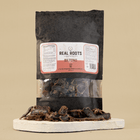
BEEF BILTONG
Luchtgedroogd, eiwitrijk, puur & lang houdbaar. De natuurlijke snack voor elk moment
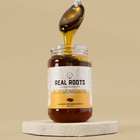
FLOWER HONEY
Rauw, ongefilterd & getest op zuiverheid, met de volle smaak van echte bloemenhoning
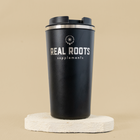
THERMAL MUG
Van warme bottenbouillon tot frisse eiwitshakes
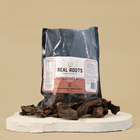
HART BITES
Enorm voedingsrijk, verrassend lekker en met een stevige bite
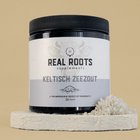
Celtic sea salt
Puur zeezout, rijk aan natuurlijke mineralen en vol van smaak
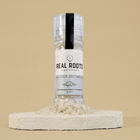
Celtic sea salt mill
Puur zeezout, rijk aan natuurlijke mineralen en vol van smaak
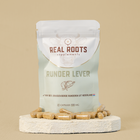
LIVER CAPSULES - DISCOVER PACK
Een van de meest voedzame voedingsmiddelen, zonder de typische smaak
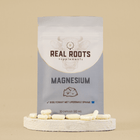
MAGNESIUM CAPSULES - DISCOVER PACK
Het veelzijdige mineraal in een hoogwaardige, goed opneembare bisglycinaat vorm
Perfect als aanvulling op je dagelijkse voeding
BEEF BILTONG
Luchtgedroogd, eiwitrijk, puur & lang houdbaar. De natuurlijke snack voor elk moment
FLOWER HONEY
Rauw, ongefilterd & getest op zuiverheid, met de volle smaak van echte bloemenhoning
THERMAL MUG
Van warme bottenbouillon tot frisse eiwitshakes
HART BITES
Enorm voedingsrijk, verrassend lekker en met een stevige bite
Celtic sea salt
Puur zeezout, rijk aan natuurlijke mineralen en vol van smaak
Celtic sea salt mill
Puur zeezout, rijk aan natuurlijke mineralen en vol van smaak
LIVER CAPSULES - DISCOVER PACK
Een van de meest voedzame voedingsmiddelen, zonder de typische smaak
MAGNESIUM CAPSULES - DISCOVER PACK
Het veelzijdige mineraal in een hoogwaardige, goed opneembare bisglycinaat vorm




 +31 85 047 4407
 support@realroots.nl


