
Heme iron and non-heme iron: what is the difference in absorption?

Heme iron comes from animal-based foods and is generally absorbed more easily and consistently than non-heme iron. Non-heme iron is found in plant-based foods, fortified products, and also partly in animal-based foods. Its absorption depends more heavily on the rest of the meal.


This does not mean that plant-based sources of iron are useless. Combining foods strategically can help. Vitamin C, for example, increases the absorption of non-heme iron. 

Two forms of iron in our diet

Iron is a mineral that occurs in various chemical forms.

  • Heme iron is part of hemoglobin and myoglobin. It is found in meat, fish, and organ meats.
  • Non-heme iron is found in legumes, whole grains, nuts, seeds, vegetables, and fortified products.

Your body uses both forms. The main difference lies in how they are absorbed and how predictable that absorption is. Heme iron is absorbed relatively efficiently and is less affected by other substances in the meal. Non-heme iron is more strongly influenced by factors that promote or inhibit absorption.

How does your body absorb iron?

The absorption of non-heme iron changes depending on the composition of your meal.

  1. Vitamin C: helps keep non-heme iron in a form that is easier to absorb.
  2. Phytates: compounds in grains, legumes, nuts, and seeds can reduce absorption within a meal.
  3. Polyphenols: coffee and tea, among other sources, can reduce absorption when consumed around mealtimes.
  4. Personal iron status: the body partially adjusts absorption according to its needs.

The scientific background is clearly described in the NCBI Bookshelf and in the NIH fact sheet on vitamin C.

Source, meal, and requirements all count.

A single nutrient never tells the whole story. Its source, preparation, combination with other foods, and your individual needs together determine how much iron ultimately becomes available.


Practical points to consider:

  • combine plant-based sources of iron with bell peppers, kiwi, citrus fruit, or other foods rich in vitamin C;
  • if absorption requires extra attention, avoid drinking coffee or black tea right alongside an iron-rich meal;
  • alternate between animal and plant-based sources if that fits your eating pattern;
  • have suspected iron deficiency assessed with appropriate blood tests.

More is not automatically better. Do not use high-dose supplements thoughtlessly.

4 capsules provide 39.6 mg of iron
283% of the reference intake

Heme iron from animal sources is generally absorbed better.

Non-heme iron reacts more strongly to the composition of the meal.

Vitamin C increases the absorption of non-heme iron.

Milk capsules provide 39.6 mg of iron per daily serving of 4 capsules.

View the Spleen Capsules

30-day money-back guarantee

Where are heme iron and non-heme iron found?

Heme iron is found mainly in red meat, poultry, fish, and organ meats. Spleen is naturally particularly rich in iron. Non-heme iron is found in foods such as lentils, beans, tofu, whole grains, pumpkin seeds, and green vegetables.


Animal-based foods can also contain some non-heme iron, so the distinction is not entirely black and white. It is mainly useful for understanding why the same amount of iron listed on a label does not always result in the same level of absorption.


A varied meal can contain both forms, for example meat with legumes and vegetables.

Heme iron versus non-heme iron

These are the key differences at a glance.

Heme ironNon-heme iron
Found mainly in meat, fish, and organ meatFound mainly in plants and fortified foods
Bound in heme structuresNot bound in a heme structure
Generally absorbed more efficiently and consistentlyAbsorption varies more from meal to meal
Less affected by meal componentsMore strongly affected by vitamin C, phytates, and polyphenols
Part of a mixed dietary patternImportant in plant-based dietary patterns

The NIH points out that people who do not eat meat, poultry, or fish may need more dietary iron because non-heme iron is absorbed less efficiently. Read the full NIH fact sheet.

Discover composition and use

Four factors that affect absorption

1. Shape

“Heme iron is generally absorbed more efficiently and is less dependent on the rest of the meal.”

Animal sources

Explanation based on reliable sources

2. Vitamin C

“Vitamin C increases the absorption of non-heme iron when you combine both in the same meal.”

For example, bell pepper or citrus

Explanation based on reliable sources

3. Coffee and tea

“Polyphenols can reduce the absorption of non-heme iron around mealtimes.”

Timing can make a difference

Explanation based on reliable sources

4. Iron status

“The body regulates absorption partly based on need and available reserves.”

Personal factor

Explanation based on reliable sources

View the Spleen Capsules

Practical combinations at the table

When should you take extra care?

Fatigue or other general symptoms do not prove an iron deficiency. Only appropriate testing can determine whether a deficiency is present and what its cause may be. Discuss symptoms, pregnancy, medication use, or a high supplemental dose with a doctor or dietitian.


Real Roots Milt Capsules contain 39.6 mg of iron per daily serving of four capsules. Iron contributes to the normal formation of red blood cells and haemoglobin. Iron also contributes to normal oxygen transport in the body. Follow the label and avoid inadvertently combining this with other iron supplements.


Sources & further reading

wwk_logo_sm-64x64 Created with Sketch.

Recording in perspective • based on nutrition science sources

Millet as a concentrated source of iron

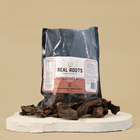
Discover spleen from grass-fed cattle

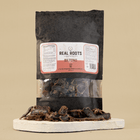
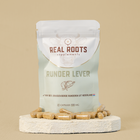
Milk from grass-fed Dutch cattle • 90 capsules

This block contains no customer reviews. It summarizes four factors that, according to the cited sources, influence iron absorption.

Sources: NIH Office of Dietary Supplements and NCBI Bookshelf

Explanation based on reliable sources

Frequently asked questions about heme iron and non-heme iron

The main questions answered briefly and clearly.

What is the main difference between heme iron and non-heme iron?

Heme iron mainly comes from animal-based foods and is generally absorbed better and more consistently. Non-heme iron mainly comes from plant-based and fortified foods and is more dependent on the meal.

Which foods contain heme iron?

Heme iron is found in meat, fish, poultry, and organ meats. Spleen and liver are well-known organ sources of iron.

How can you improve the absorption of non-heme iron?

Combine a plant-based source of iron with a vitamin C-rich food, such as lentils with bell peppers or fruit alongside a whole-grain meal.

Do coffee and tea inhibit iron absorption?

Polyphenols in coffee and tea can mainly reduce the absorption of non-heme iron when you drink them around the same meal.

When should you have your iron levels checked?

Discuss persistent symptoms or an increased risk with a doctor. A blood test can help assess iron status and possible causes in a targeted way.
