
Biltong vs beef jerky: what is the difference?

Biltong vs beef jerky: which is healthier? Discover the differences in ingredients, preparation, protein, sugar, and salt, and make an informed choice.

What is the difference, and which is healthier?

Biltong vs. beef jerky: if you put them side by side, you might almost think they’re the same. They’re both dried pieces of beef, so what makes biltong different from beef jerky? The main difference lies in how the meat is prepared and which ingredients are used. Biltong, for example, is air-dried and often contains just a few ingredients, while sugar and other additives are frequently added to beef jerky. But does that also mean biltong is healthier? We explain the difference and take an honest look at the nutritional value of both snacks.

What is Biltong?

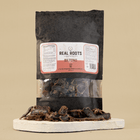
Biltong is dried meat that originally comes from South Africa. It is often made from beef and cut into thicker pieces. The meat is then seasoned with vinegar, salt, and dried herbs. It is subsequently slowly air-dried, removing moisture from the meat and helping it stay fresh for longer. 


The way biltong is made can vary from one producer to another. The basics are usually simple: meat, vinegar, salt, and herbs. Biltong is cut thicker than beef jerky, giving it a different texture and bite. Some biltong is softer, while another variety is drier and firmer. Would you like to learn more about its background and preparation? Read what biltong exactly is.

Make sure you get THE best BILTONG at home

What is beef jerky?

Beef jerky is dried beef that is especially well known in America. The meat is usually cut into thin strips and marinated with ingredients such as soy, sugar, salt, and spices. It is then dried at a higher temperature to remove moisture. Some varieties are also smoked, which adds extra flavor. Because of this preparation method, beef jerky is generally thinner, drier, and chewier than biltong. The ingredients may vary by brand, so it is a good idea to check the packaging. Sugar and other additives are found in many supermarket varieties in particular.

the difference between biltong and beef jerky

Biltong and beef jerky look similar, but they are made differently. That difference is reflected in their preparation, ingredients, texture, and nutritional value. The origins of the two snacks also differ.

Preparation

Biltong is traditionally air-dried. The meat is seasoned first and then dried slowly, often over several days. Beef jerky is usually cut into thin slices and dried at a higher temperature. This makes the drying process faster. Some types of jerky are also smoked.

Marinade and ingredients

With biltong, the basic ingredients are often simple: meat, vinegar, salt, and spices. Sugar is not typically added. With beef jerky, the marinade is often more elaborate. Sugar, soy, salt, and various spices are commonly used. Flavorings, smoke flavorings, or preservatives may also be added. That is why it is a good idea to check the ingredient list for both products.

Texture and thickness

A clear difference is the thickness of the meat. Biltong is usually cut into thicker pieces, while beef jerky consists of thin strips. As a result, biltong can feel somewhat softer and meatier. Beef jerky is usually drier and chewier, so it takes longer to chew.

Nutritional value

Nutritional value varies by brand and recipe. In particular, the amount of sugar and salt can differ considerably. The table below compares Real Roots biltong with supermarket jerky:

Per 100 gram Biltong Supermarkt-jerky
Eiwit 54 g 35 g
Vet 7,1 g 3,5 g
Koolhydraten 0,6 g 20 g
Waarvan suiker 0,6 g 18 g
Natrium ±640 mg ±2.000 mg

Vergelijking tussen biltong en supermarkt-jerky, gemeten per 100 gram.
De exacte voedingswaarden verschillen per product. Controleer daarom altijd het etiket.

The difference in sugar and carbohydrates is particularly noticeable. Biltong without added sugar contains few carbohydrates, while the marinade in beef jerky can add extra sugar. Both can be protein-rich snacks, but the salt content is also something to keep in mind.

Origin and tradition

Biltong originates from South Africa and has long been part of the country’s food culture. Beef jerky is particularly closely associated with America. Both products originated as ways to preserve meat for longer, but their preparation methods and traditions are clearly different.

BILTONG

54 grams of protein per 100 grams. One of the most concentrated natural sources of protein, ideal for muscle recovery and satiety

Made from 100% grass-fed Dutch cattle, with a focus on quality and provenance

Naturally rich in vitamin B12 and minerals such as iron, zinc, and selenium

Without sugar, E-numbers, lactose, and gluten. Only meat, sea salt, and spices

Discover BILTONG

30-day money-back guarantee

What should you look for when buying biltong?

Not all biltong is the same. If you’re looking for high-quality biltong, it’s a good idea to check the ingredients and origin first. Preferably choose grass-fed beef. Cattle that receive a natural diet produce meat with a clear origin and flavor.


Also look for a short ingredient list. Good biltong actually needs very little: meat, salt, and herbs or spices. Added sugar is unnecessary, so it’s better to avoid it if you’re looking for a pure, protein-rich snack.


The origin of the meat also plays a role. Dutch beef makes it easier to know where your snack comes from and reduces the distance between producer and consumer.


Finally, it’s important to pay attention to the storage instructions. Biltong is dried meat, but that doesn’t mean you can keep it indefinitely. Store the package as indicated and seal it properly after opening. Also pay attention to the smell, color, and texture: if in doubt, it’s better not to eat the product.

Is beef jerky healthy? And biltong?

Honest answer: it depends on the ingredient list. Beef jerky can be a high-protein snack, but much of the jerky sold in supermarkets contains added sugar, nitrite, flavor enhancers, and other additives in addition to meat. The salt content is often high as well. So don’t look only at the protein content; pay particular attention to the full ingredient list.


Biltong traditionally has a simpler composition. Well-made biltong contains only meat, vinegar, salt, and spices. In terms of ingredients, it may therefore be a better choice than heavily processed or sweetened beef jerky. However, that does not automatically mean that biltong is healthy to eat without limit.

is biltong healthy

Biltong can fit well into a healthy diet, especially when you choose a variety without added sugar and unnecessary additives. It is relatively high in protein, making it a practical snack. At the same time, biltong is still processed meat and generally contains quite a lot of salt.


Want to make the better choice? Compare different products and preferably choose one with a short ingredients list, no added sugar, and as few unnecessary additives as possible. In addition, eat biltong or jerky in moderation and alternate with less processed, protein-rich foods such as eggs, yogurt, nuts, and legumes.


In short: biltong with a simple ingredients list is often a better choice than highly processed alternatives, but it is not a product you can eat without limits.

Biltong from Real Roots

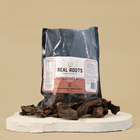
Grass-fed biltong from Real Roots is made from grass-fed Dutch beef and contains no added sugar. This makes it a convenient, protein-rich snack for on the go, after exercising, or simply whenever you fancy something savory.


Curious about Real Roots Biltong? Be sure to take a look!

wwk_logo_sm-64x64 Created with Sketch.

rated 9.9 by 750+ customers

What are you waiting for?
Discover the power of nature today!

Discover the power of nature today!

Biltong reviews

Really delicious and very nutritious!

Really delicious and very nutritious! I’ll definitely order more! My two-year-old daughter loves it too.

Lotte v.

Verified Real Roots User

Favorite

Delicious snack for carnivores. Pure, with no strange ingredients. I’ll be ordering this fantastic product more often too.

Liesbeth

Verified Real Roots User

Good complement to a healthy diet

I’m a flexitarian and eat very little meat.
That’s why I’m glad I found RealRoots’ bilting as an easy and healthy addition to my daily diet.

Karina

Verified Real Roots User

Good snack

Easy snack for in between meals! And healthy too. Especially when you’re on the go or busy. I do find the large portion a bit inconvenient, since it should only keep for 3 days (in my experience, it stays good a little longer). It would be nicer if the bags contained 50-gram portions. Other than that, the taste and everything else are great!

Lysa

Verified Real Roots User

400+ reviews on Google

"It is a healthy snack in convenient packaging, with no additives and great nutritional values."

M.L.

Verified Real Roots User

FAQ

We’ve put together a list of the most frequently asked questions about biltong!

Is biltong raw meat?

No. Biltong is made from meat that is salted and then dried. The meat is therefore not heated in the same way as, for example, fried or boiled beef. Salting and drying remove moisture from the meat, which makes the product last longer.

How long does biltong keep after opening?

This varies by product and packaging. Therefore, always follow the storage instructions and best-before information on the packaging. Seal biltong tightly after opening and store it according to the stated instructions. If in doubt, check the smell, color, and texture before eating it.

Biltong can fit into a carnivore or keto diet, depending on the ingredients and your personal dietary choices. Preferably choose a variety without added sugar and always check the label. Especially with keto, it is wise to check the amount of carbohydrates per serving.

How much biltong per day is normal?

There is no fixed amount of biltong that is considered ‘normal’ for everyone. Biltong is a concentrated, protein-rich snack, so a small portion is often enough. How much you eat depends, among other things, on your overall diet, energy needs, and how much protein you need each day. Also take the salt content of dried meat into account

What is the difference between biltong and jerky?

Jerky is often heated and regularly contains added sugar or marinades. Biltong, on the other hand, is slowly air-dried without heating and remains pure: just meat, sea salt, and spices. As a result, biltong is generally less sweet, less tough, and higher in protein per 100 grams.

What is your biltong made from?

Our biltong is made from 100% grass-fed Dutch cattle. The meat is seasoned according to a traditional South African recipe with natural vinegar, sea salt, and spices (pepper, coriander, garlic, onion, and cloves), then slowly dried for 5 to 7 days at approximately 25°C. Nothing else: no fillers, no E-numbers.

Why is biltong more expensive than other snacks?

Biltong is made from high-quality beef and loses a lot of moisture during drying: approximately 285 grams of fresh meat are reduced to 100 grams of biltong. What remains is a concentrated, protein-rich product. So you’re paying for nutrition, not filler.

Can I eat biltong after exercising?

Yes, biltong is a great option for that. With approximately 54 grams of protein per 100 grams, it provides concentrated protein that supports muscle recovery, without added sugars. It’s ready to eat and easy to take to the gym, so you don’t need any preparation or a shaker.

30-day money-back guarantee
